






Foster

How to Become a Foster
Step 1: Complete an Online Application
Complete the Foster application.
All fosters 18 years of age and older are required to complete a background check. During onboarding, you will also be asked to provide:
- Government-issued photo ID
Step 2: Once you have completed the application
You will be contacted by us to make an appointment. Or come into our foster orientations on Thursdays 1-6:30pm.
Step 3: Attend Foster Orientation
After attending orientation, you’ll be approved to foster and given information on how to be matched with your first foster pet.
Foster FAQs
What is the time commitment to fostering?
The length of foster care depends on a variety of factors; including age and health of the animal and open space at the shelter. How long you keep your foster pet depends on the needs of the animal and your availability. Our foster team will match you with a pet that fits your availability and lifestyle.
Can people who own pets still foster?
Yes! Your pets at home must be up to date on all vaccinations and we ask that you have a spare room or an area in your home where you can keep your foster animals separate from your own pets if needed. For dog fostering a dog on dog meet and greet will be required by appointment with our Behavior Staff.
Will the shelter provide Veterinary Care and Supplies for Foster Pets?
Yes! All animals at our shelters receive routine medical care from our team of veterinarians and veterinary technicians. PSAS will provide as much as possible. This includes food, kennels, bedding, toys & more!
Is there 24/7 Support?
While the shelter currently does not have 24/7 Staff, we have partnered with VEG Pet ER in Palm Desert to assist with foster animal emergencies during shelter after hours.
Can I adopt my foster?
Yes! We ask that any foster parent who wants to adopt notify the Foster Department right away. After adoption, we will still encourage you to continue to foster!
What are the requirements to foster?
- The main foster volunteer must be at least 18 years old and complete foster training.
- You must be able to follow rules and guidelines provided in the foster handbook and/or by shelter staff.
- You must have reliable transportation for bringing your foster animal(s) to the shelter for regular appointments and to the vet in case of emergency.
Foster to Adopt
Some of our animals are marked Foster to Adopt. Foster to Adopt allows you to welcome a pet into your home on a trial basis to see if they’re the right fit before making the adoption official.
All animals are eligible, but the program is especially beneficial for those who may not show their true personalities in a shelter environment.
How It Works
- Visit us during open hours. Foster to Adopt is first come, first served. If you see an animal you like, just come in as normal.
- Trial period: generally 2 weeks to a month.
- Introductions: for dogs, we generally recommend a meet and greet with any resident dogs. For cats, introductions take place gradually once they are in the home.
- Support: PSAS provides food, supplies and veterinary care during the trial, just like regular fostering.
- Adoption fee: paid once the adoption is finalized.
- Not the right fit? Simply contact our Foster Team.
Questions? Contact our Foster Department at foster@psanimalshelter.org or (760) 416-5718 ext. 114.
From Foster to Forever
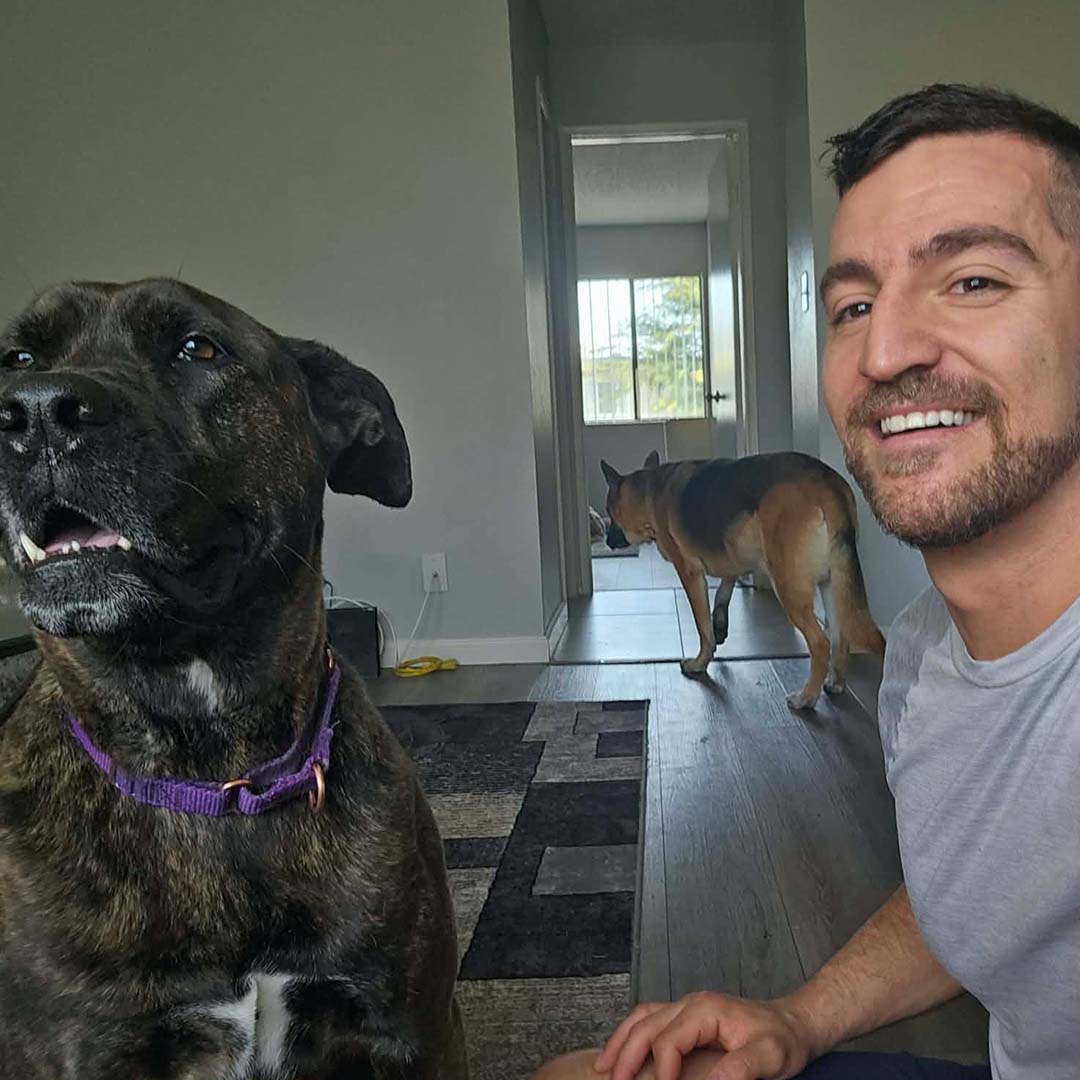
Big Hearts, Temporary Homes, Happily Ever Afters




Types Of Fosters
Nursing Cats or Dogs with a litter of Kittens or Puppies
Nursing mother cats or dogs who have a litter of kittens or puppies ideally would be in a foster home together until the kitten or puppies are at least 7-8 weeks old and fully weaned off mom. Nursing mothers dogs should always have their paws whipped down after walks, or play time before going back in with their puppies. Nursing mother dogs or cats can be protective and should have a separate space away from any personally owned animals. If the foster parent has their own pets at home we would require a scheduled dog on dog meet and greet with our Dog Behavior Staff.
Bottle Feeding Kittens or Puppies
Fosters who want to foster bottle kittens or puppies will be trained hands on and with training material provided to you by the shelter. We ask for short or long term fostering. Bottle feeding can be time consuming, so we understand fosters need breaks or only available a few nights. Neonatal kittens or puppies are aged between 1 day old and 4 weeks old. They tend to need to eat every 2-4 hours and to be stimulated in order to “potty”
Weaning Kittens and Puppies
Kittens and puppies at this age are usually 4-5 weeks old and are learning how to eat on their own. This can be a bit of a messy stage in their lives! Kittens and puppies will tend to start to eat a mix of wet food and milk replacement and drink water until they get the hang of eating just wet or solid food on their own. Foster parents will need to coach them how to eat by themselves and will need to keep a close eye on any weight loss.
Self Feeding Kittens and Puppies
Kittens or puppies who are self feeding tend to be 5+ weeks old and are now able to fully eat wet and dry food on their own. Foster parents will likely foster for 1-3 weeks. Self feeding kittens or puppies who are 8 weeks old or older will need foster care until the shelter is able to schedule in their spay and neuter surgeries. After kittens and puppies are altered they will go up for adoption at the shelter.
Senior Animals
Senior cats or dogs who are available for adoption may go to foster if they are not thriving well at the shelter. The foster parent will need to bring in the foster animal for any meet and greets with potential adopters. Senior animals who are not available for adoption may need short term medical care while on their journey to becoming available for adoption.
Hospice Animals
Cats and Dogs that need hospice fosters tend to not be available for adoption. This is due to the animal having severe medical issues, being elderly and less likely to be adopted due to their condition and will do better in a foster home. Hospice fosters will use the shelter for all veterinary care and end of life care.
Medical Cases
Some cats and dogs are adults or all ages who unfortunately came into the shelter after being hit by a car, sick, underweight or some other medical issue unrelated to age. These animals are usually not available for adoption due to the shelter working on their medical care. These fosters may need to come into the shelter for veterinary check ups or follow ups, specialty surgeries or other medical appointments until the cat or dog is ready for adoption. Most medical cases are longer term meaning fosters would likely need to commit to 2 or more weeks.
Adult Dogs
Adult dogs tend to be most of the shelter population. At times, the shelter will be overcrowded with multiple dogs to a single kennel. When this happens, we tend to reach out to fosters or dog walkers to help assist with fostering a dog until space is made available at the shelter again. Some dogs will be new to the shelter and will need to come in for adoption prep. Some dogs will be long term residents who could use a break while being available for adoption. Dogs available for adoption would need a foster home who can bring them in for scheduled meet and greet with potential adopters. Dogs leaving to foster are approved by the Dog Behavior Staff and will require a dog-on-dog meet and greet with any owned pets in the foster parents home. Every Sunday or Monday the Dog Behavior Team sends the Foster Team a list of dogs available for fostering that are NOT medical cases. Fosters are only able to choose dogs from this list.
Socialization Kittens
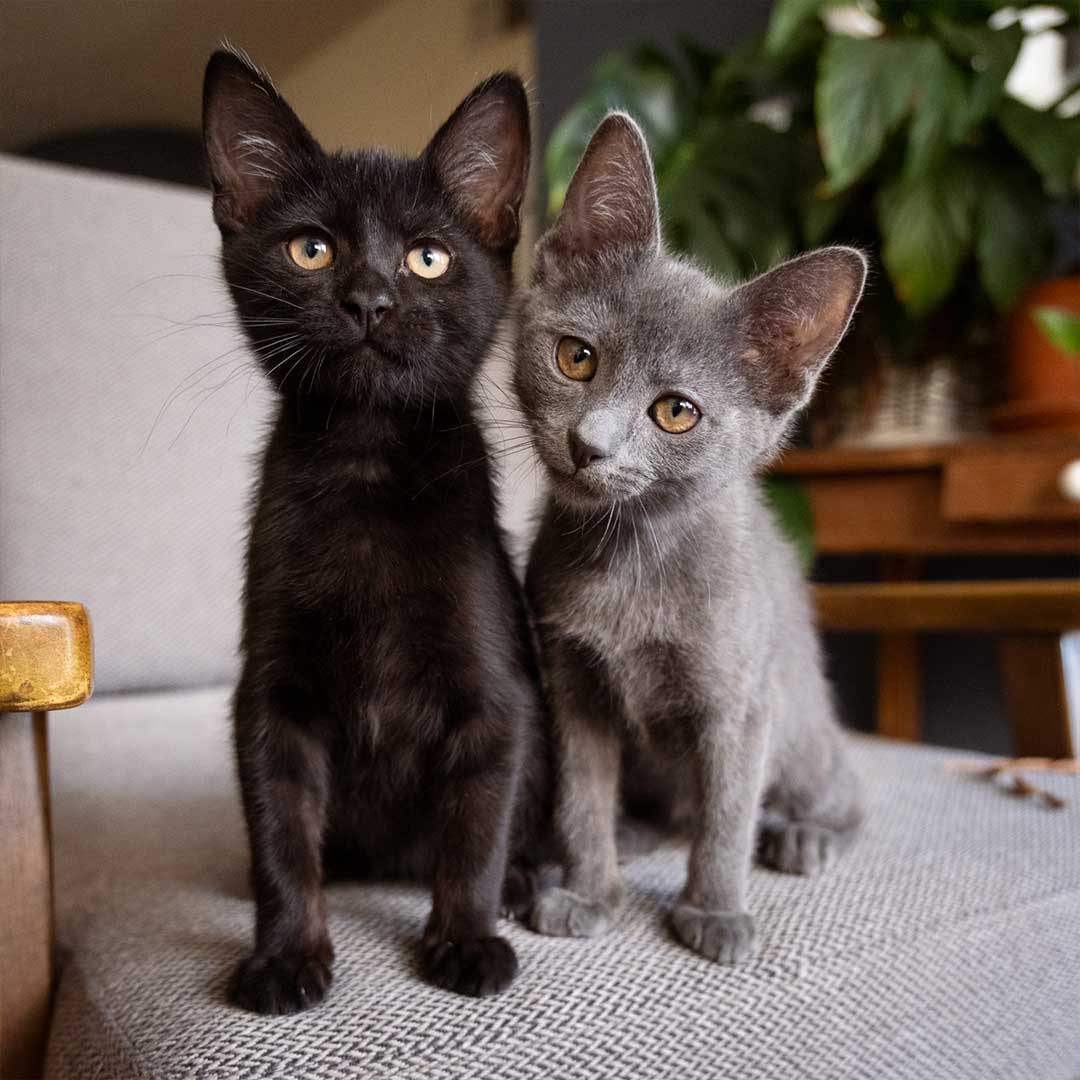
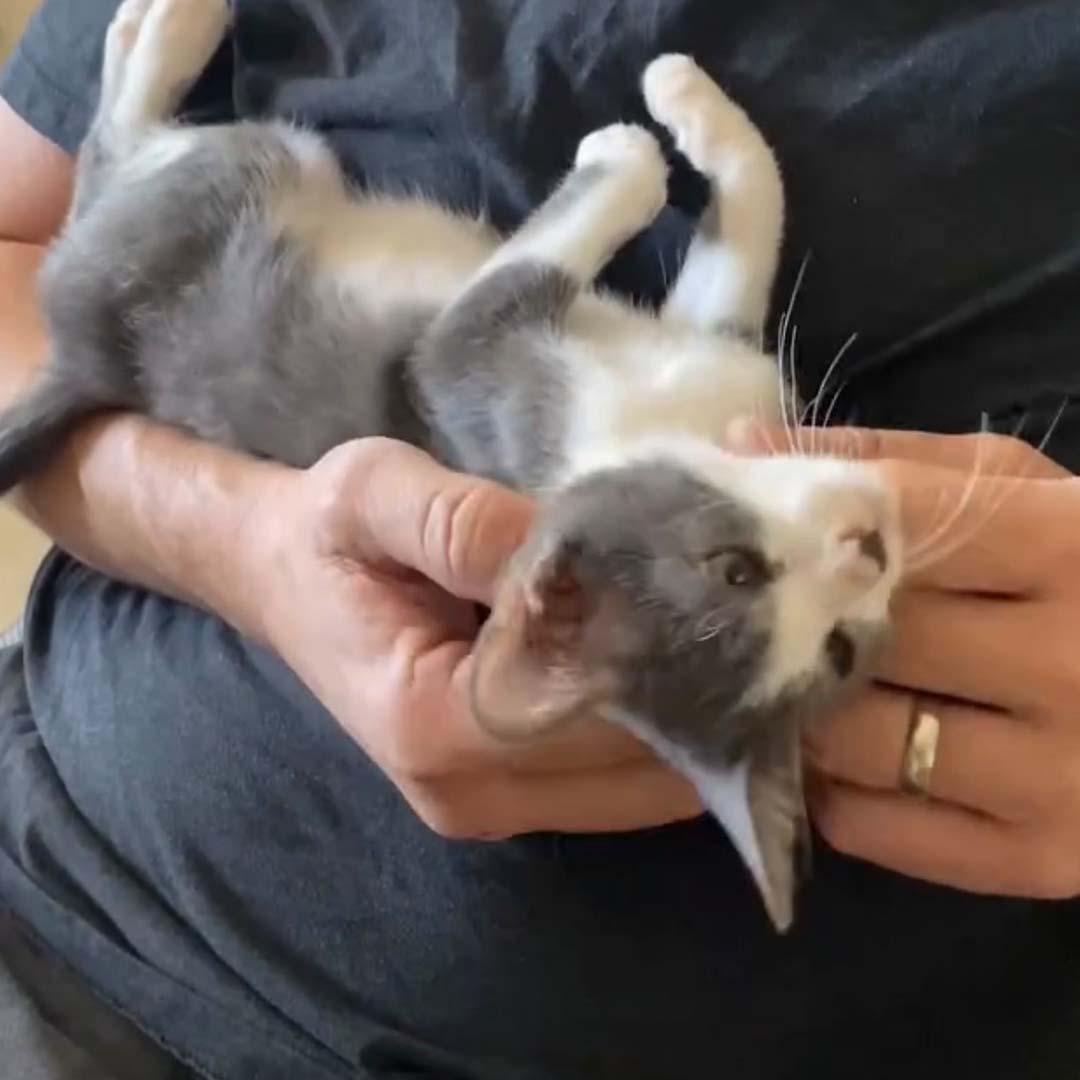
Socialization is one of the greatest gifts you can give a kitten. Each new, positive experience helps build a foundation of confidence, reducing fear and stress as they grow into adulthood. It’s not just about raising a friendly kitten—it’s about setting them up for a lifetime of resilience and well-being. Some kittens come to PSAS under socialized and we depend on foster parents to help develop good habits!
Paws Out Dogs
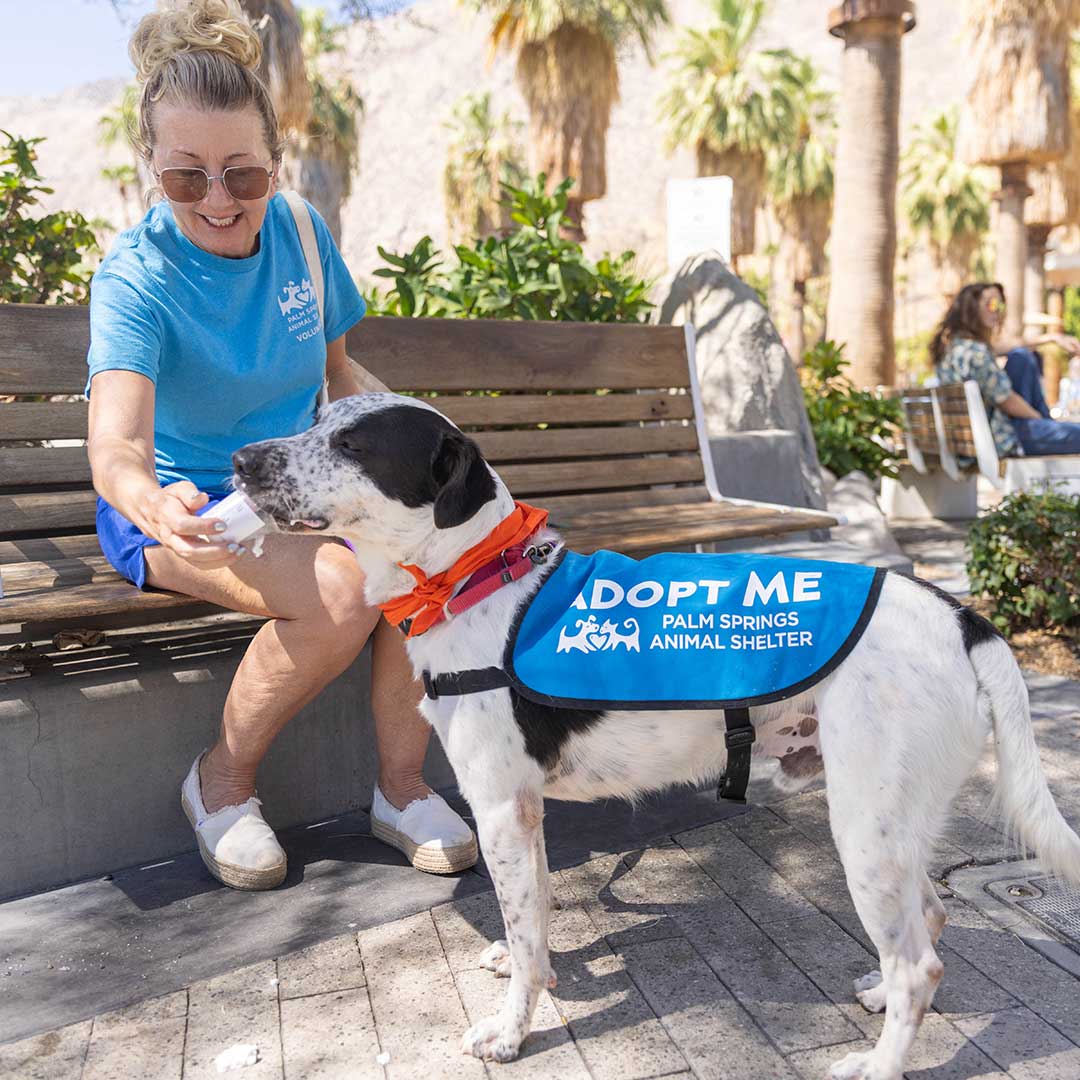
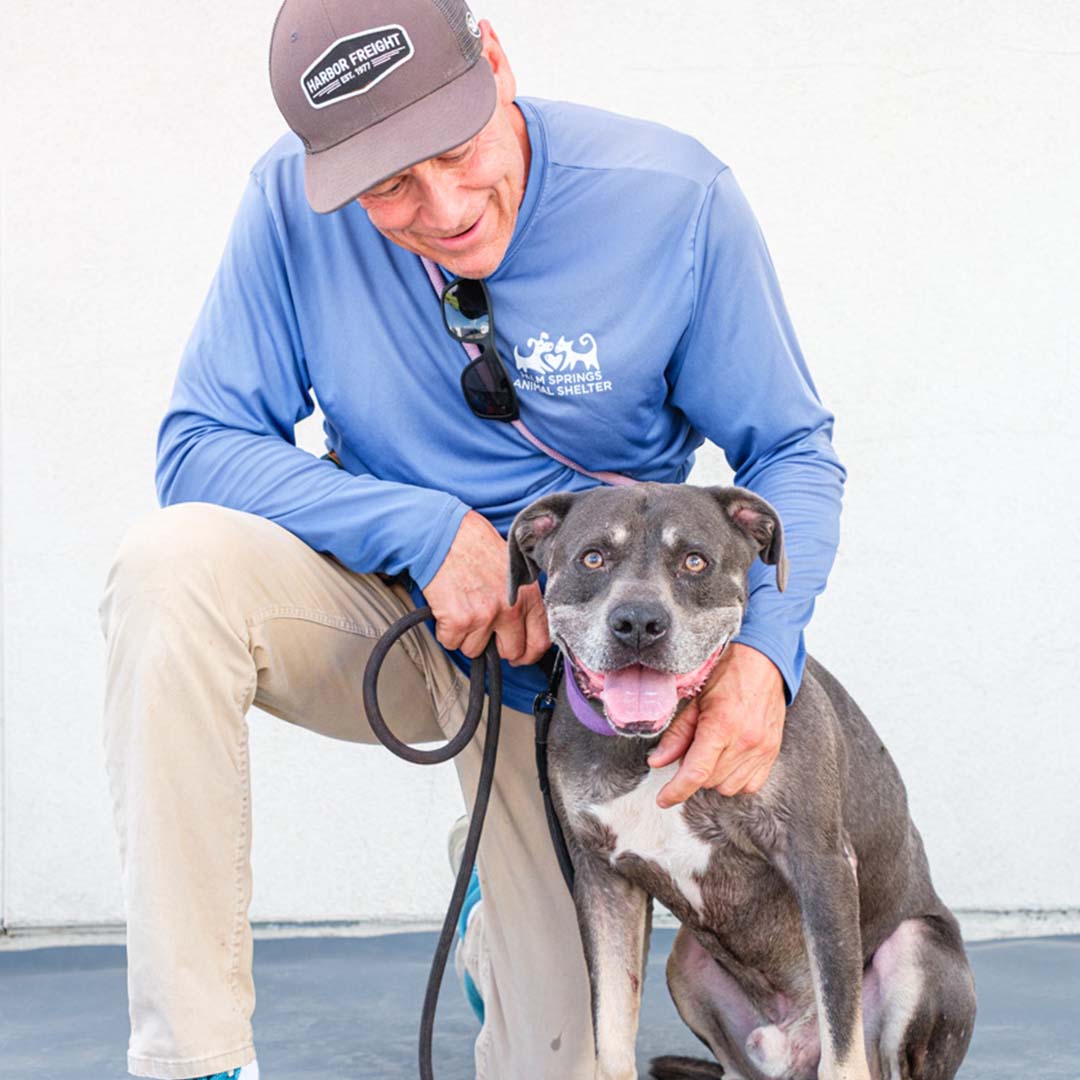
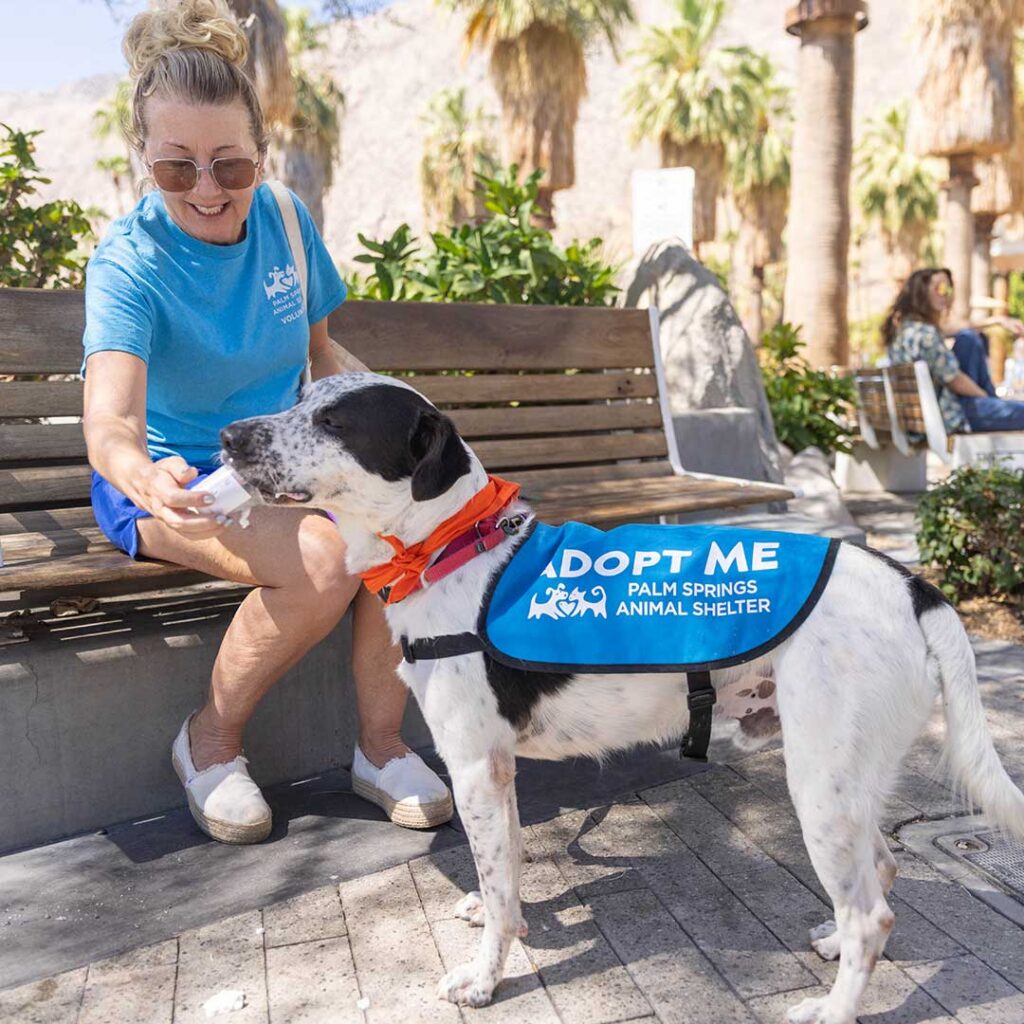
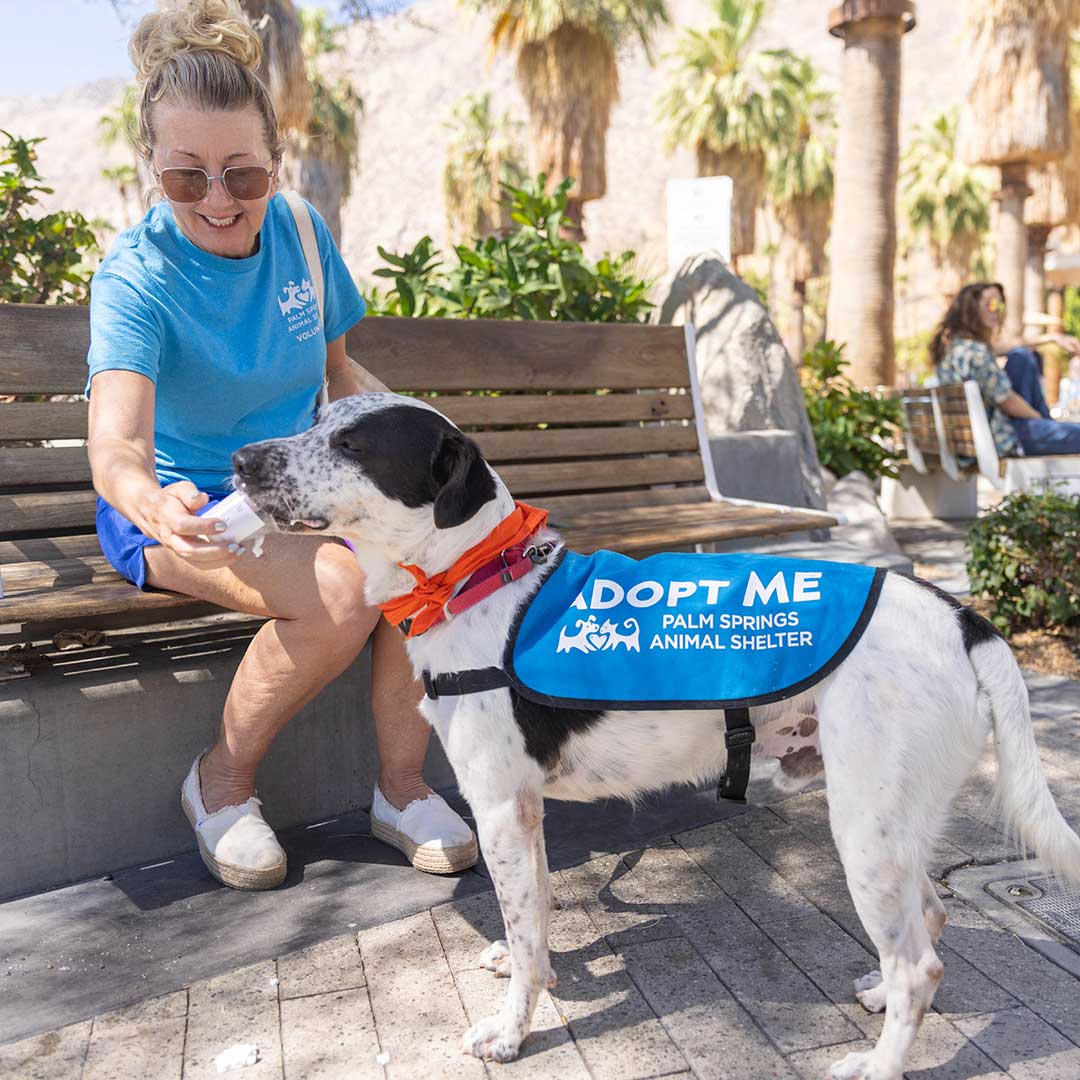
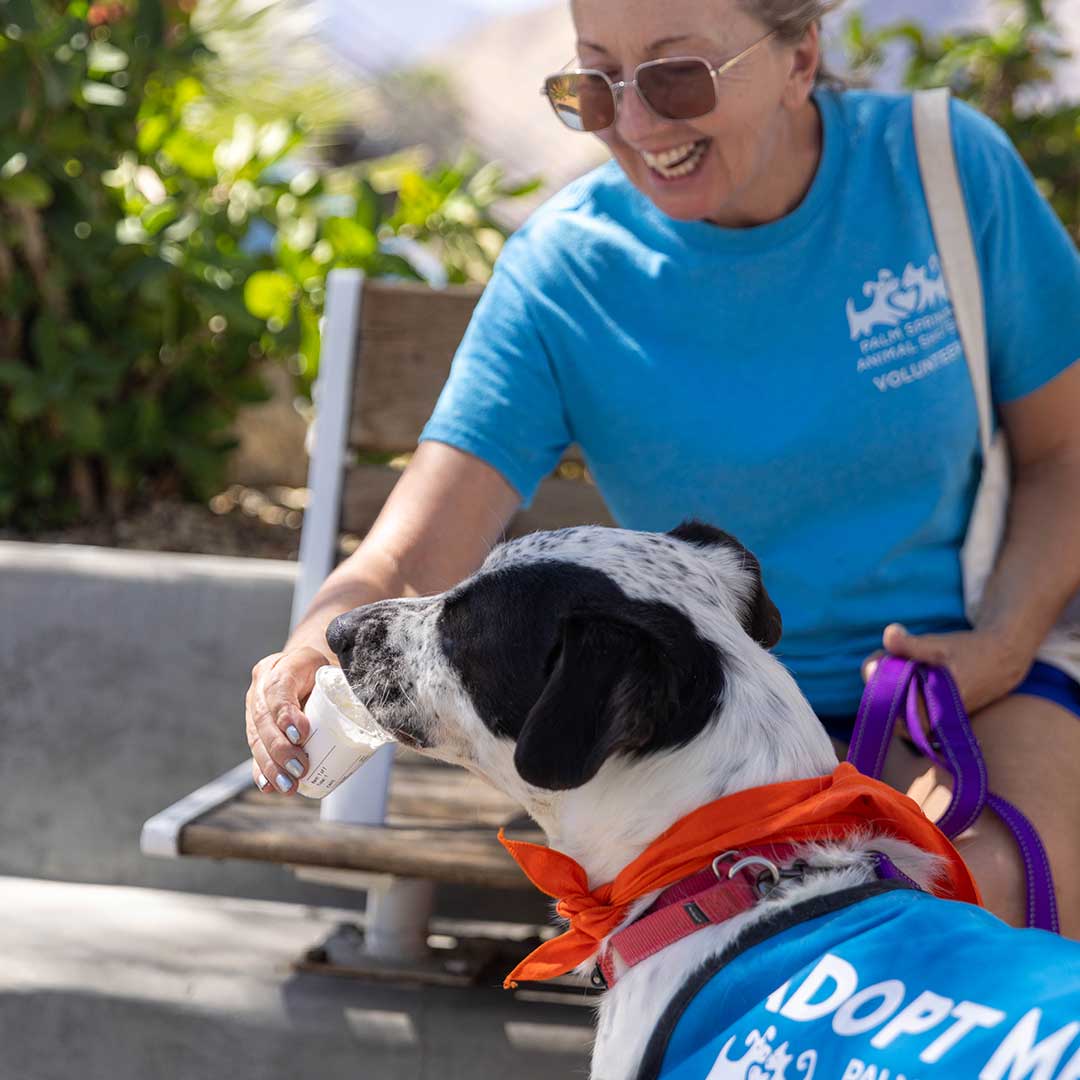
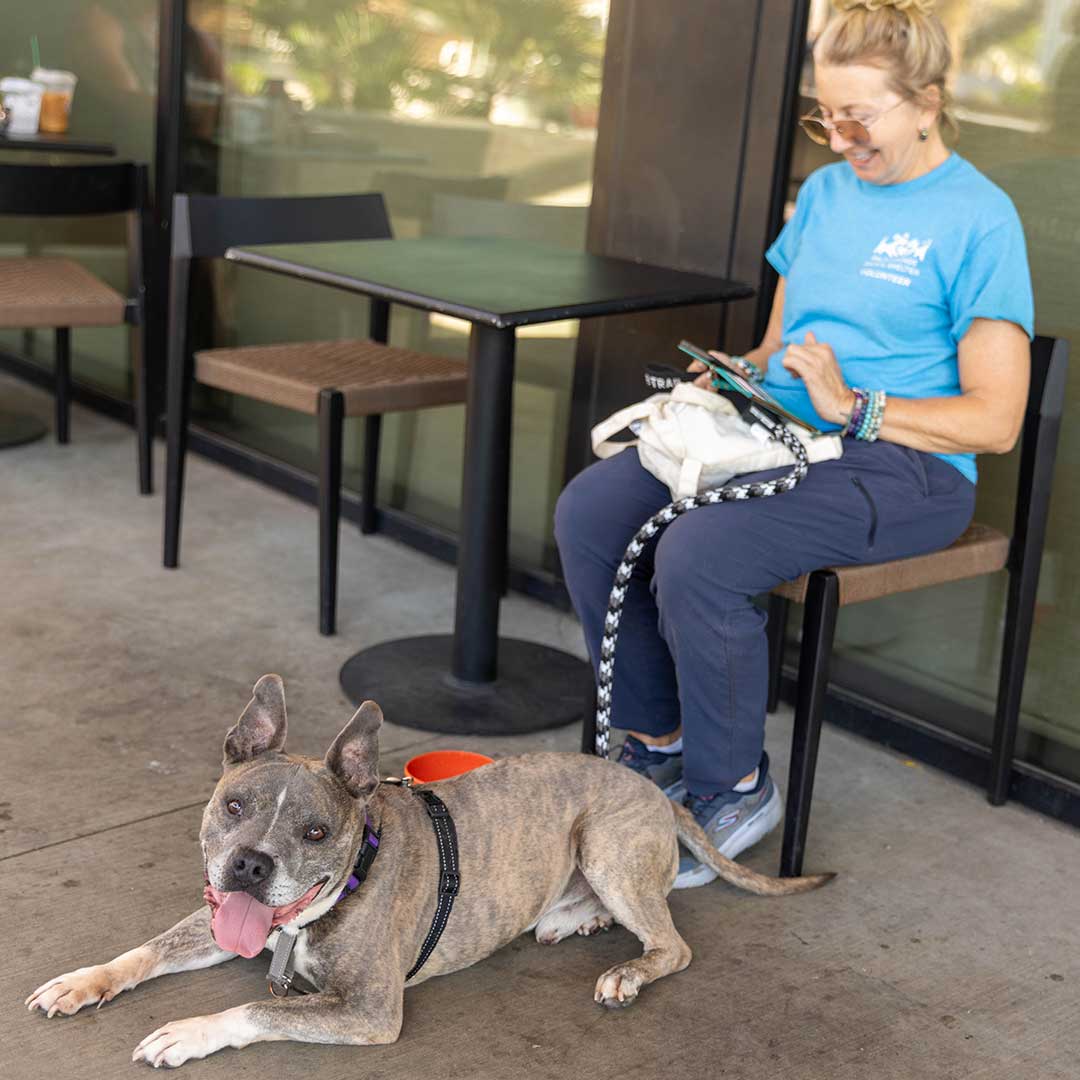
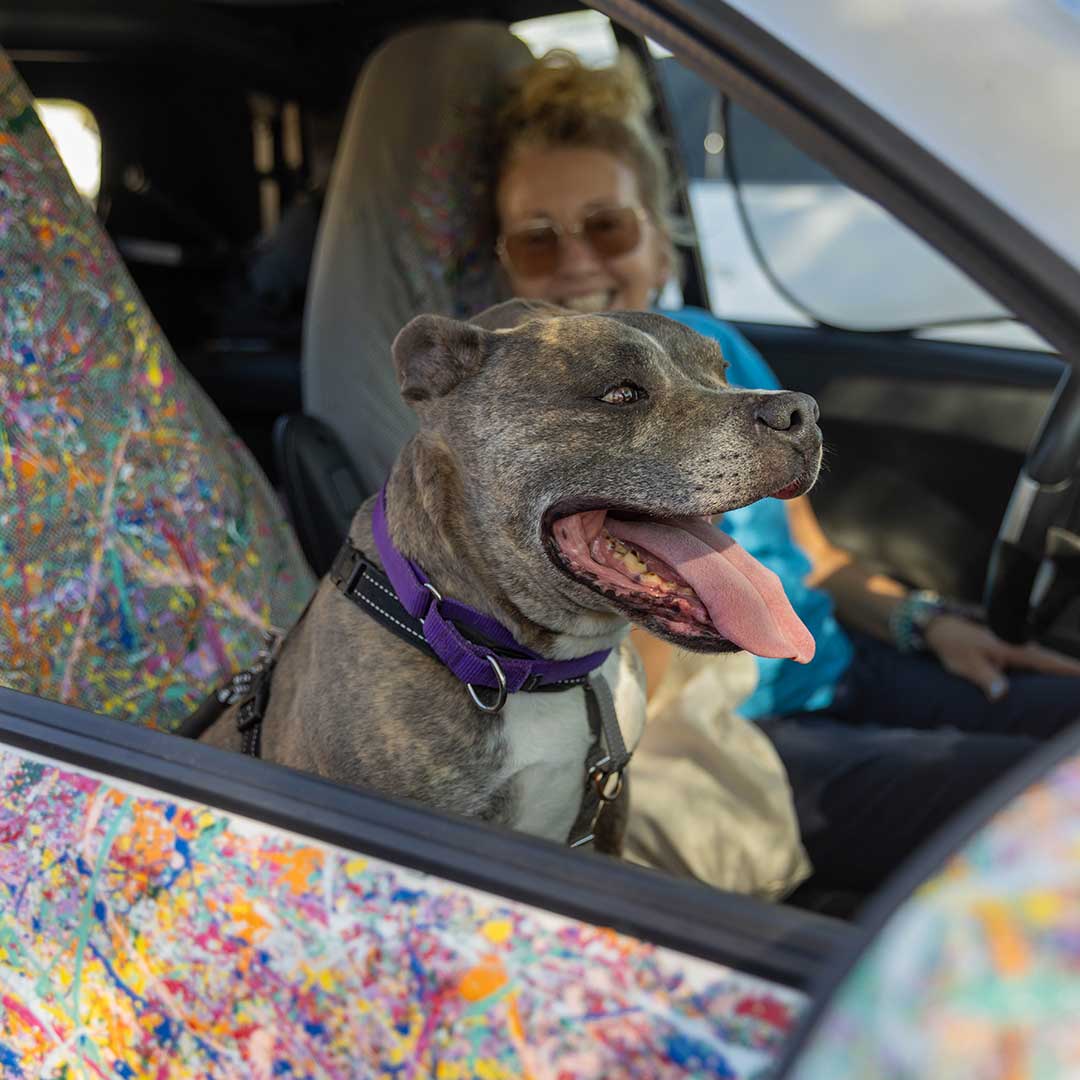
Dogs available for adoption qualify for Paws-out fostering. This is when a foster parent is able to take a dog out for the day and spend time with them out at a park, hiking or a few hours at your home. Dogs qualified for day fostering are approved by our dog behavior team. Dog day fosters need to schedule their pickups and will be asked to give a short report on how the dogs did while out with you, this information will help get the dogs adopted!
Looking to give a dog a break from the shelter, but can’t commit to a long-term foster? Palm Springs Animal Shelter offers short-term foster opportunities that have proven to reduce stress in dogs and help them find new homes more quickly.
Take a shelter dog on a short adventure! Visit a local hiking trail, visit a pet-friendly business, or take an afternoon stroll at the park. Our staff will provide you with training and all the supplies you’ll need, including harness, leash and “adopt me” accessories for the pup.
See Paws Out in Action
Paws Out FAQ
How Do I Pick A Dog?
Visit our website and view dogs of all ages and sizes available for adoption. Each pet will have photos, whatever information we currently have on the pet and other information. Once you have picked out 1 or 2 dogs, you can make an appointment with the PSAS Foster Department for pick up
Current Dog Walker?
If you are interested in taking a particular dog that your have already worked with as a Dog Team Volunteer dog walker, please let us know! We have a great streamlined process to quickly check out day-out fosters.
Where Can I Take The Dog?
Parks, Hiking trails, Dog friendly business, your home & more! View some dog friendly places in the Coachella Valley.
How Many Dogs Can I Meet Before Deciding Who To Foster?
Due to staffing, we will limit up to 2 dogs to be introduced to fosters per 10 minute appointment with the intent to take someone home that day.
What If I want to Adopt?
Please come to the shelter during open hours and work with the adoption team to view pets you may want to adopt. Once you have met pets and still would like to foster, sign up to become a foster parent.
QUESTIONS?
If you have questions about becoming a foster guardian, we’d love to hear from you.
foster@psanimalshelter.org
(760) 416-5718 ext. 114